Is Kuala Lumpur Walkable? Getting Around KLCC & Bukit Bintang on Foot
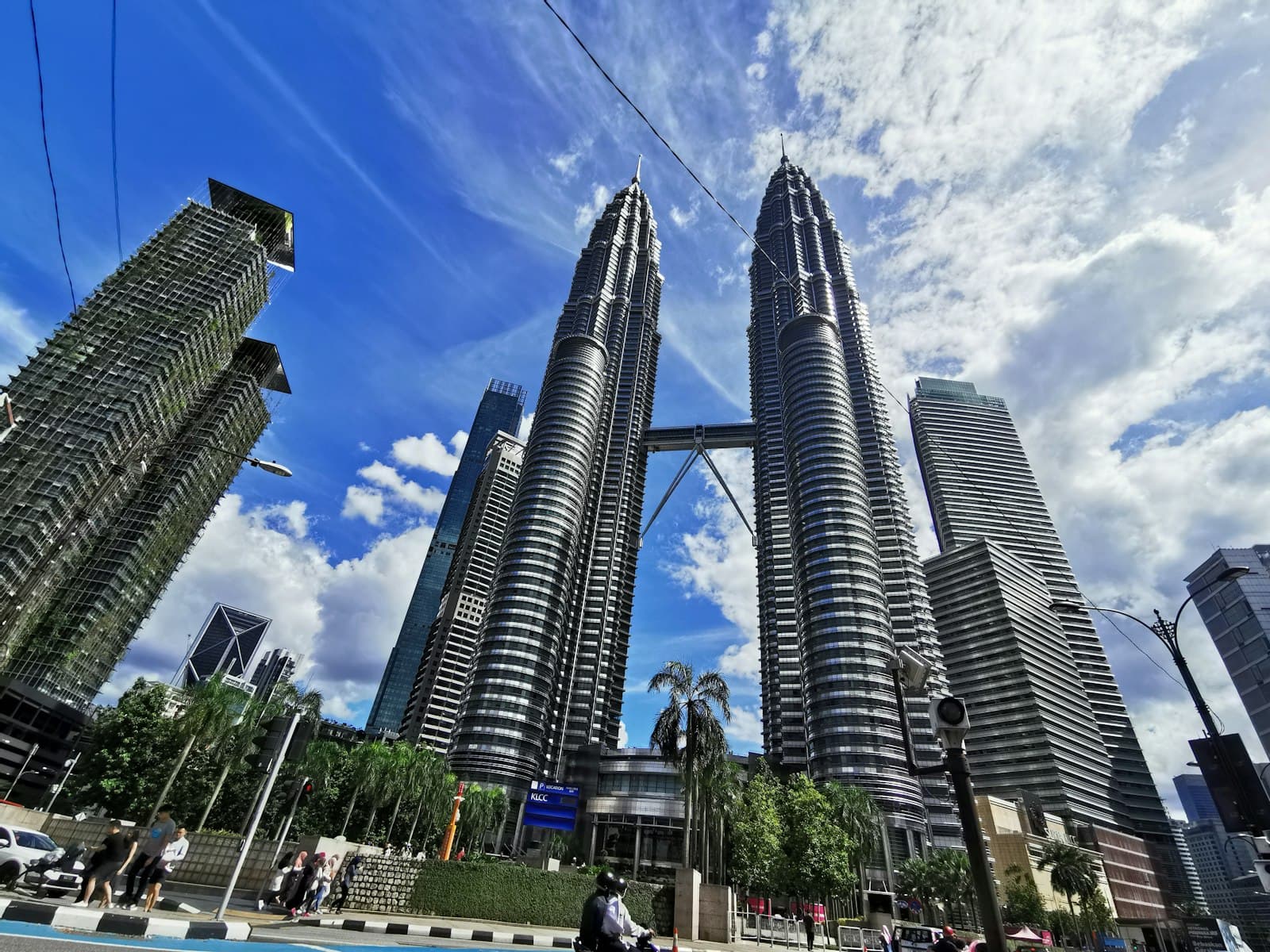
Photo: Sua Truong on Unsplash
Ask around and you will hear that Kuala Lumpur is not a walking city. It is a fair reputation: this is a place built around highways and traffic, where the heat and humidity can flatten you by mid-afternoon. So is Kuala Lumpur walkable at all? City-wide, honestly, not yet — but that misses what matters for a short stay. Where you base yourself changes everything, and from the KLCC area a surprising amount of the city opens up on foot.
That is the practical answer this guide gives you: KL is not a walk-anywhere city, but it has a very walkable core — and if your apartment sits inside it, you can spend days here barely touching a taxi.
So, is Kuala Lumpur walkable? The honest answer
Two things work against walking in KL, and it is worth naming them so you can plan around them.
The first is the climate. Daytime highs sit around 32–33°C almost every day of the year, dropping only to about 24–25°C overnight, and humidity hovers near 80% — so the air feels hotter and heavier than the number alone suggests. The second is rain: mornings are usually clear, but thunderstorms tend to build in the afternoon or evening, a pattern strongest in the inter-monsoon months of April–May and October–November. The lesson is simple — walk in the morning, and keep the afternoon flexible.
Add the traffic, and you can see why locals grumble: even the city itself admits that getting around "safely and comfortably often feels impossible" in parts of KL, which is exactly why City Hall is now rolling out a green-corridor plan of shaded, pedestrian-friendly routes through the centre. It is improving — but slowly. For now, the trick is not to walk everywhere; it is to stay somewhere the walking is already good.
The KLCC–Bukit Bintang covered walkway
This is the single feature that makes a KLCC base walkable, and most first-time visitors do not know it exists until they stumble onto it.
Running between Suria KLCC (at the foot of the Petronas Twin Towers) and Pavilion KL in the Bukit Bintang shopping district is a covered, elevated pedestrian walkway — roughly 1.2 km long, about a 15-minute stroll end to end. It has linked the city's two biggest retail and nightlife hubs since 2012, and it is free to use. Crucially, it keeps you above the traffic and out of the weather: the stretches through the malls and the KL Convention Centre are air-conditioned, and the long bridge in between is covered and shaded, so a passing storm or the midday sun is no longer a reason to give up and call a Grab.
It runs from roughly 6am to 11pm, so it covers everything from a morning coffee run to a late dinner in Bukit Bintang. Follow the signs from the lower level of Suria KLCC toward the Convention Centre, and you are on it.
What you can reach on foot from KLCC
Once you are staying in the KLCC core, a full day can happen without a car:
- KLCC Park — a 50-acre green space at the base of the towers, open 10am to 10pm, with shaded paths, a jogging track and the Lake Symphony fountain show after dark. It is the coolest place to walk in the whole district.
- The Petronas Twin Towers & Suria KLCC — the mall connects directly into the towers' lobby, so the icon of the city skyline is a zero-minute, fully indoor walk from your shopping.
- Bukit Bintang — Pavilion, Jalan Alor's food street and the nightlife are all a covered 15-minute walk away via the walkway above.
- The KL city-centre core — a little further out. Chinatown and the old-town markets are roughly a couple of kilometres — about half an hour on foot if you enjoy the walk, or a quick two stops on the LRT to Pasar Seni.
When it is too hot to walk: the transit backup
Some days the heat wins, or you are heading out beyond the walkable core. KL's trains and buses pick up where your feet stop, and from KLCC they are cheap and easy — most central rides cost only around RM1–3.
- LRT — the KLCC station sits on the Kelana Jaya line, right under Suria KLCC. Trains start around 6am, with the last ones near midnight (about 23:57 heading south, 00:23 heading north).
- Monorail — Bukit Bintang station is on the KL Monorail, a separate line that threads the Bukit Bintang and city-centre hotels. It also opens around 6am, with last trains about 23:42 and 00:06.
- The free GOKL city bus is the quiet hero. Its Green Line loops between Suria KLCC, Pavilion KL and the Bukit Bintang monorail every 5–10 minutes at no charge, running from about 6am (7am at weekends) to 11pm — the easiest way to hop between the LRT and Monorail hubs, which sit on different lines.
Between the covered walkway and this trio, you rarely need a taxi inside the centre at all.
Staying walkable: base yourself in KLCC
The whole strategy comes down to one decision made before you arrive: where you sleep. Stay out in a cheaper suburb and KL will feel exactly as un-walkable as its reputation — every outing starts with a Grab. Stay in the KLCC core and the towers, the park, the malls and Bukit Bintang are all a covered walk or a one-ride hop away.
That is where our apartments are. Browse our KLCC apartments to see how close you would be to the walkway and KLCC Park — most are minutes from the KLCC or Bukit Bintang stations — and if you book direct, you start earning on every night through Soulasia Rewards. Planning the rest of the trip? Our other Kuala Lumpur guides cover getting in from the airport and the best time to visit.
Kuala Lumpur may never be Amsterdam. But from the right front door, it is far more walkable than anyone will tell you.
Frequently asked questions
Is Kuala Lumpur walkable for tourists?
Not city-wide — heat, humidity and heavy traffic make many districts uncomfortable on foot. But the central KLCC area is a genuine exception: from there you can reach Bukit Bintang, KLCC Park and the Petronas Towers without ever hailing a car.
How long is the KLCC to Bukit Bintang walkway?
About 1.2 km end to end, roughly a 15-minute walk between Suria KLCC and Pavilion KL. It is covered and elevated for almost the whole way, so you avoid both the sun and the traffic.
Is the KLCC–Bukit Bintang walkway air-conditioned?
Partly. The sections that pass through malls and the KL Convention Centre are air-conditioned; the long elevated bridge in between is covered and shaded but naturally ventilated rather than fully cooled.
What is the best time of day to walk in Kuala Lumpur?
The morning. KL mornings are usually clear, with thunderstorms building in the afternoon or evening — a pattern that is strongest in the inter-monsoon months of April–May and October–November. Start early and you dodge both the worst heat and the rain.
How do I get between KLCC and Bukit Bintang without walking?
The free GOKL Green Line bus loops between Suria KLCC, Pavilion KL and the Bukit Bintang monorail every 5–10 minutes. By rail it is less direct: KLCC is on the LRT and Bukit Bintang on the Monorail, two different lines.
Sources
- Kuala Lumpur Convention Centre — Getting to the Centre (KLCC–Bukit Bintang Walkway)
- Economy Traveller — KLCC to Bukit Bintang on the elevated walkway
- Malaysian Meteorological Department — Malaysia's climate
- Weather & Climate — Kuala Lumpur monthly averages
- The Star — Green corridor plan to enhance KL walkability (2025)
- Suria KLCC — KLCC Park
- Rapid KL — Kelana Jaya Line (LRT, KLCC station)
- Rapid KL — KL Monorail (Bukit Bintang station)
- GOKL City Bus — routes & hours