Best Time to Visit Kuala Lumpur: Weather, Monsoon & a Month-by-Month Guide
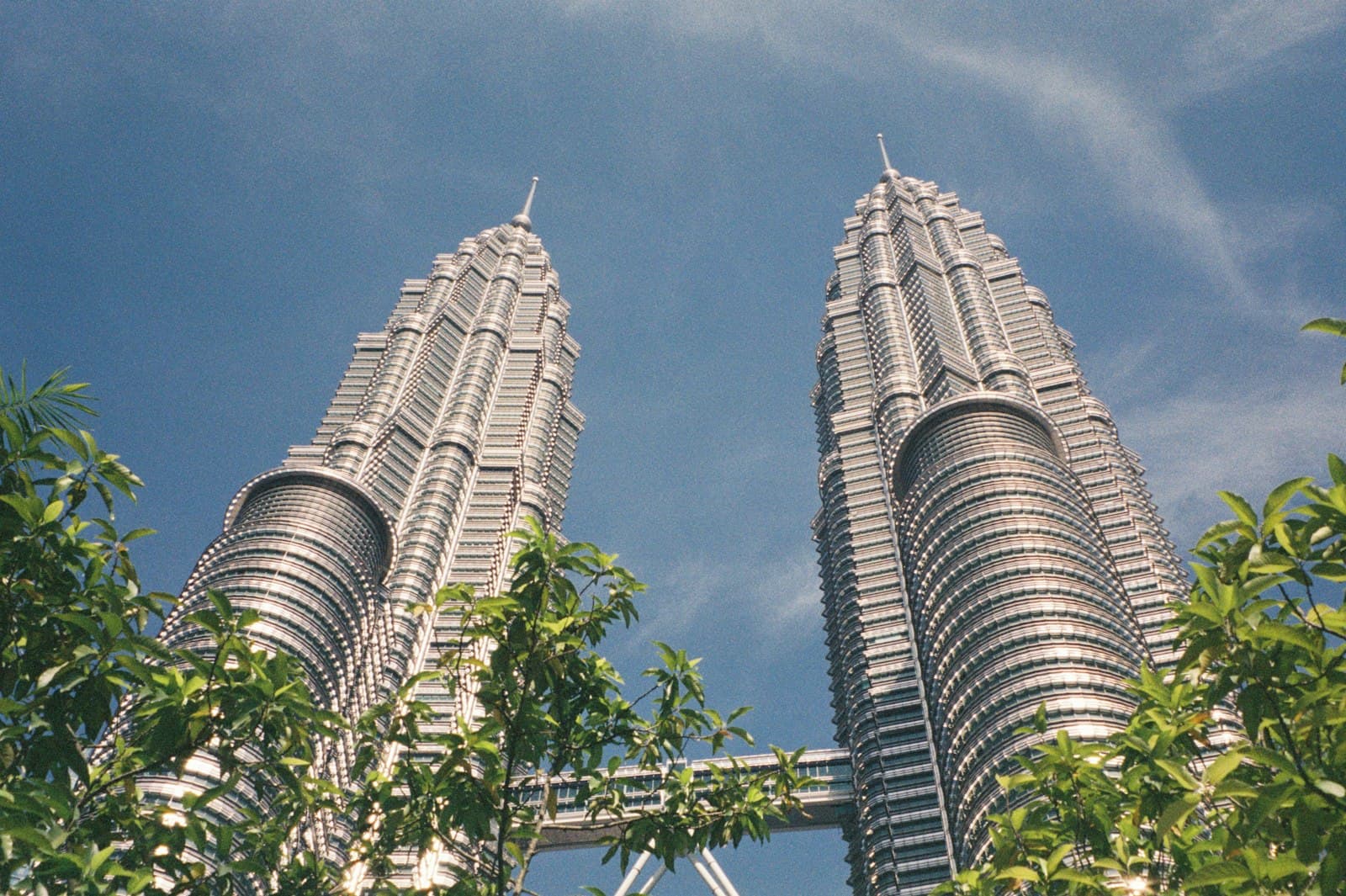
Photo: Matt Boitor on Unsplash
Wondering about the best time to visit Kuala Lumpur? The honest answer is that KL works all year. It sits just a few degrees north of the equator, so it is warm, humid and green every single month — there is no cold season to miss and no monsoon that shuts the city down. But there is a drier, clearer window, a couple of wetter stretches, and one or two weeks most years worth planning around, and knowing them helps you pack and plan.
This guide breaks Kuala Lumpur's weather down month by month — the heat, the two monsoons, the haze — so you can pick your dates with confidence and get straight to the good part.
Kuala Lumpur's weather, in one line
Hot, humid, and prone to a dramatic afternoon downpour. Daytime highs sit around 32–34°C in almost every month, nights rarely dip below 23–25°C, and the humidity stays high year-round. There is no "cool season" to plan for — December runs only a degree or two off May.
What changes through the year is the rain, not the temperature. And KL's rain is rarely the grey, all-day drizzle some visitors expect: it usually arrives as a heavy, thundery downpour in the late afternoon or evening, clears within an hour or two, and leaves the streets washed and a touch cooler. Mornings are often bright even in the wettest months. Pack a compact umbrella, plan your big outdoor sights for the morning, and treat the afternoon storm as your cue for a mall, a museum, or a long lunch.
The two monsoons — and why Kuala Lumpur barely notices them
Malaysia has two monsoons. The southwest monsoon runs roughly from late May to September and is the drier phase for KL and the west coast. The northeast monsoon, from November to March, is the country's main rainy season — but it soaks the east coast hardest, while KL, tucked inland with a mountain range between it and the South China Sea, gets a far gentler version.
The catch is the inter-monsoon transitions in between — around March to April and again in October — when the winds go light and variable and the afternoons build into thunderstorms. Those transitions, more than the monsoons themselves, are what push KL's rainfall to its yearly peaks. November is the wettest month, with roughly 355 mm of rain spread over 20-odd days, and April is a close second.
The best time to visit Kuala Lumpur: June to August
If you want the driest, clearest stretch, aim for June to August. June is typically the driest month of the year in KL — around 130 mm of rain over about ten days, against November's 355 mm — with more sun and slightly lower humidity. It also lines up neatly with the northern-hemisphere summer holidays.
December to February is the other popular window: it falls inside the northeast monsoon, so you will see a little more rain, but KL's inland shelter keeps it manageable, and the cooler, festival-rich weeks pull in plenty of visitors. In truth, KL's rainfall never swings as wildly as glossy "avoid the monsoon" headlines suggest — every month is a fine month to visit, as long as you plan around the afternoons.
A quick month-by-month guide
- January–February: Warm and reasonably dry, buzzing with Chinese New Year and Thaipusam. One of the nicest stretches of the year.
- March–April: The first inter-monsoon — hotter, stickier, with building afternoon thunderstorms. April is among the wettest months.
- May–August: The drier southwest-monsoon phase and the overall sweet spot; June is the driest month of all.
- September–October: Rain ramps up again toward the second inter-monsoon, and this is the likeliest window for haze (more below).
- November–December: The wettest part of the year as the northeast monsoon sets in, though KL stays far drier than the east coast — and December brings the festive-season sparkle.
Festivals worth planning around
Some of the best reasons to time a KL trip have nothing to do with rainfall. Thaipusam — late January or early February, and falling on 22 January in 2027 — fills the Batu Caves with one of the world's most striking processions. Chinese New Year and Deepavali light up the temples and malls, while Hari Raya Aidilfitri shifts about eleven days earlier each year, so its date drifts across the calendar. Two fixed national days are easy to plan around too: Merdeka Day on 31 August and Malaysia Day on 16 September, both marked with parades and crowds. Lunar and Islamic festival dates move from year to year, so check before you book.
What about the haze?
Some years, smoke from land-clearing fires in the wider region drifts over Kuala Lumpur and settles as haze, usually between August and September, with September typically the worst. It is not a given — some years pass with barely a trace — but if you are sensitive to air quality, it is worth watching the forecast for a late-summer trip and keeping a flexible indoor plan. On a bad haze day, KL's air-conditioned malls, galleries and covered walkways make it easy to stay comfortable.
Ready to pick your dates?
Whatever month you land in, KLCC is the easiest base for it — steps from the Twin Towers, the parks and the rail network, with covered walkways and malls a short stroll away for when the afternoon storm rolls through. Browse our KLCC apartments to match your dates, and if you book direct you start earning on every night through Soulasia Rewards. Arriving soon? Our guide to getting from KLIA to the city sorts out the first leg. Pick a month, pack an umbrella, and leave the rest to the afternoon sky.
Frequently asked questions
What is the best time of year to visit Kuala Lumpur?
June to August is the driest, clearest stretch, and June is the driest month of all. December to February is also popular despite a little more rain. Honestly, any month works — KL's rain is brief and the temperature barely changes.
What are the rainy and monsoon months in Kuala Lumpur?
The northeast monsoon (November to March) is the country's main rainy season, and the inter-monsoon peaks around April and October to November are KL's wettest. November averages roughly 355 mm of rain over about 20 days.
Is it always hot in Kuala Lumpur?
Yes. Daytime highs sit around 32–34°C and nights around 23–25°C every month, with high humidity throughout. There is no cool season — December is only a degree or two off May.
Does it rain all day in Kuala Lumpur?
Rarely. Rain usually arrives as a heavy afternoon or evening thunderstorm that clears within an hour or two, leaving plenty of dry hours — even in the wettest months, mornings are often bright.
When is the haze season in Kuala Lumpur?
In some years, smoke from regional land-clearing fires brings haze between August and September, with September typically the worst. It varies a lot year to year and is far from a certainty.
Sources
- Malaysian Meteorological Department — weather phenomena & monsoon seasons
- Kuala Lumpur climate & monthly averages — Climates to Travel
- Kuala Lumpur monthly rainfall, temperature & sunshine — Weather & Climate
- Malaysia public holidays — PublicHolidays.com.my
- Air pollution & transboundary haze in Malaysia — Wikipedia